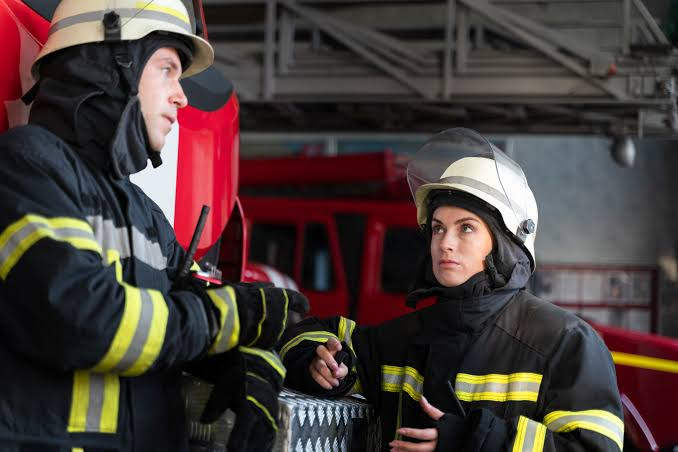
Maintaining Site Safety and Compliance with Fire Watch Security Guards
When an automatic fire system in the building does not work for a while, the risk of missing signs of fire goes up. This can be because of repairs, changes, or normal checks. It can hurt the building and also stop work at the place. Having a fire watch gives real-time checks to keep the people, property, and things safe during these times.
The Critical Role and Responsibilities of Dedicated Guards
Safety rules in the city and at work places always make sure someone keeps an eye on things when the main alarms do not work. A team is there with jobs to stop fires and act fast when there is any danger.
Proactive Hazard Detection and Monitoring
Focused visual safety is different from standard security. This type of safety means going around and walking through all parts people can get to in a site. People look over spots where the risk can be high. These are rooms with power, storage spots, places for hot jobs, and spots with key gear. While fire watch security guards walk and watch, they care about these things:
- Identifying Combustible Accumulation: Make sure the trash, sawdust, and flammable liquids are kept the right way. Keep them away from heat.
- Watching exits and escape routes: Keep halls, stairs, and emergency exit doors clear. There should not be anything blocking them.
Immediate Emergency Response and Escalation
If someone sees smoke or fire, the people working there are the first to help. They follow clear plans for what to do in emergencies. They call the local fire team right away and help move everyone out. Staff who have been trained know how to answer quickly. This helps to keep damage low and save lives.
Key Operational Protocols for Effective Patrol Coverage
To do a safety check the right way, have to go through each step carefully. A quick look will not be enough. People who manage high-value property and those who work in industries trust simple rules and good practice. This helps them make sure every part of the building or site gets checked the way it should.
1. Conducting Systematic Patrols
Security staff keep careful records of their patrol routes. These routes are made to help get rid of blind spots. In places with many businesses and big factories, patrols need to happen often. Patrols follow a set pattern and run on a fixed schedule. Most of them go out every 15 to 30 minutes. The schedule depends on local rules and the level of risk in the area.
2. Comprehensive Log Keeping and Documentation
You need to have documentation for your daily work and the rules. Guards keep logbooks and write down every round they do. These logs show:
- The exact times when the patrol is done at each place.
- The safety dangers that were seen and what was done right away.
- What the emergency exits, fire extinguishers, and water shutoff valves look like now.
Essential Considerations and Industry Best Practices
Taking care of site safety when systems are down needs good planning. You have to act at the right time. If you avoid common mistakes, the site can be safe. This will stop you from getting big fines from rules.
Preparing for High-Risk Operations
Hot work jobs such as welding, cutting, and brazing can cause many accidental fires in factories. If the main alarm is not working, safety teams must pay close attention after the job is done. Sparks can get stuck inside walls or insulation for hours and then start a fire.
Securing Property and Continuity
Keeping things safe when the system stops needs you to watch things closely and follow simple steps. You also have to move fast. Having trained fire watch security guards helps you avoid money problems, keeps you following the law, and looks after your people. When you add planned patrols, careful notes, and special checks for danger, you change risky spots into safer ones. You need to be alert all the time to protect your important parts and keep everything safe no matter what comes up.